Creating a beautiful outdoor space can feel like a daunting task, especially when working with a sloping backyard. You might find yourself wondering how to make the most of those hills and valleys. That’s why I put together this guide. The truth is, a sloping backyard offers unique opportunities for creativity. With some thoughtful planning, you can transform those slopes into stunning features that enhance your outdoor living experience.
If you love getting outdoors, gardening, or just enjoying your yard with family and friends, this post is for you. Whether you’re a seasoned landscaper or just starting, you’ll find inspiration here to turn your uneven terrain into an attractive, functional area. From cozy fire pits to terraced gardens, I’ve gathered some of the best sloping backyard ideas that will help you maximize your space and elevate your garden design.
Get ready to explore 16 exciting ideas that make hills the highlight of your backyard. You’ll discover creative outdoor solutions that can enhance your garden and create inviting spaces for relaxation or play. Your sloping backyard will not only look great but also become a cherished part of your home.
Key Takeaways
– Terraced Gardens: Create depth and interest by designing terraced levels to plant flowers, vegetables, or herbs, making gardening easier and visually appealing.
– Cozy Fire Pits: Add warmth and ambiance with a fire pit, perfect for gatherings. Positioned on a slope, it can serve as a focal point for outdoor living spaces.
– Rock Gardens: Utilize natural stones to create a rock garden, enhancing drainage and offering a low-maintenance option that looks beautiful against the slope.
– Vertical Gardens: Maximize space by installing vertical garden structures. These allow you to grow plants upwards, making them ideal for small or sloped areas.
– Outdoor Lighting: Incorporate strategic outdoor lighting along pathways and around features to enhance safety and highlight the unique characteristics of your sloping backyard.
1. Terraced Gardens
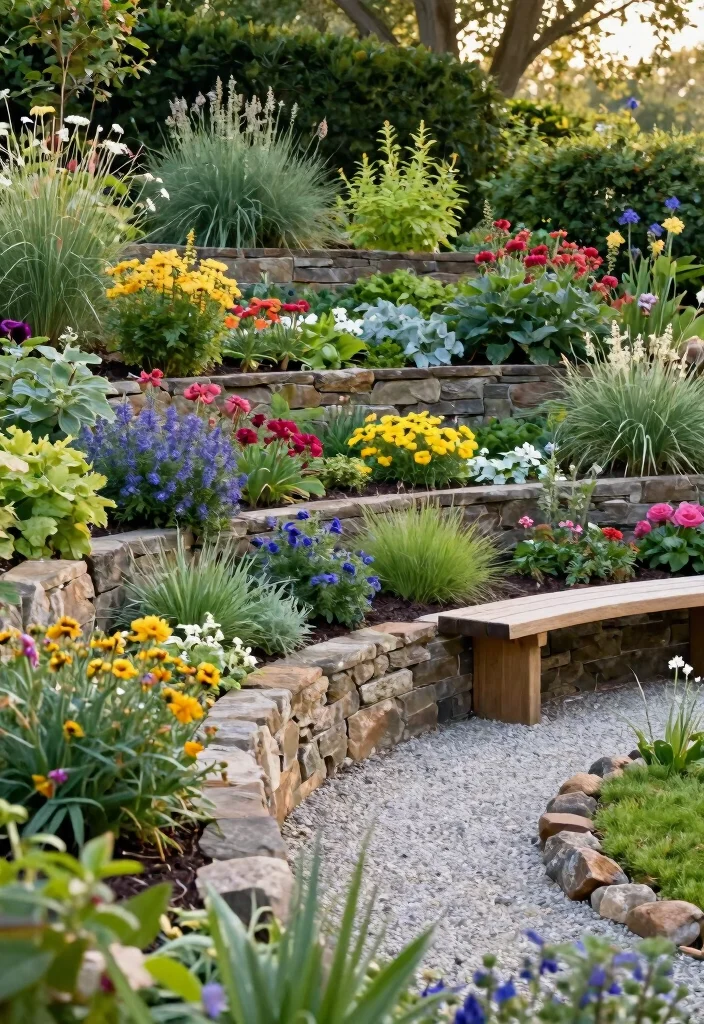
Terraced gardens transform your sloped backyard into an inviting and structured landscape. This design principle not only enhances visual appeal but also effectively prevents soil erosion while creating distinct planting areas. Filling these levels with various plants, colors, and even vegetables encourages biodiversity while making maintenance a breeze.
To maximize the benefits of terracing, consider incorporating native plants that thrive in your climate, reducing the need for extra watering. Using retaining walls made from natural stone or treated wood adds a rustic charm, ensuring each terrace stands out beautifully.
Consider these practical elements to enhance your terraced garden:
– Pair vibrant flowers with green foliage for contrast
– Install stone or wooden retaining walls for definition
– Use organic mulch to retain moisture and suppress weeds
This terraced design promotes a sophisticated yet approachable look. Incorporating natural textures and materials will elevate the overall aesthetic and create a harmonious outdoor space.
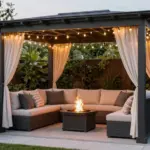
2. Cozy Fire Pits
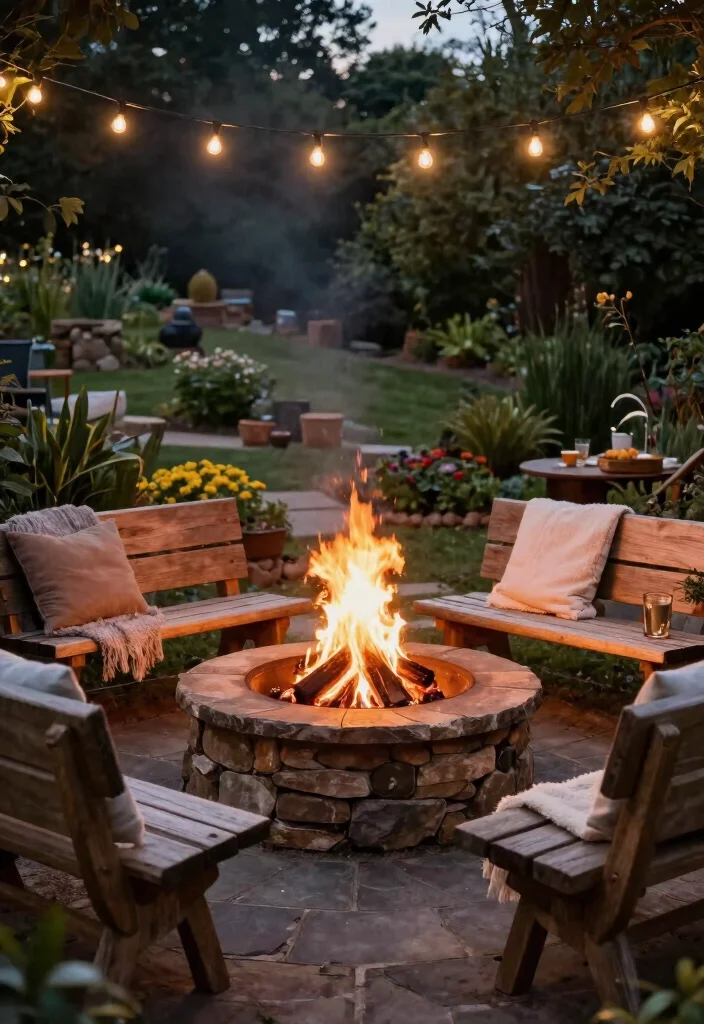
Envision cozy evenings spent around a fire pit, sharing stories with family and friends. A fire pit serves as a charming focal point in your sloping backyard, offering warmth and ambiance for memorable gatherings. It’s an ideal spot for roasting marshmallows or simply enjoying the night sky.
Choosing a safe location for your fire pit is crucial to avoid hazards. Surround it with comfortable seating like log benches or outdoor chairs to foster an inviting atmosphere, while gravel or flagstone flooring enhances the natural feel.
Enhance your fire pit experience with these suggestions:
– Use heat-resistant materials for added safety
– Incorporate built-in seating for a seamless look
– Add string lights overhead for a cozy ambiance
Your fire pit will transform your backyard into a favorite gathering spot, perfect for countless enjoyable nights under the stars!
3. Rock Gardens
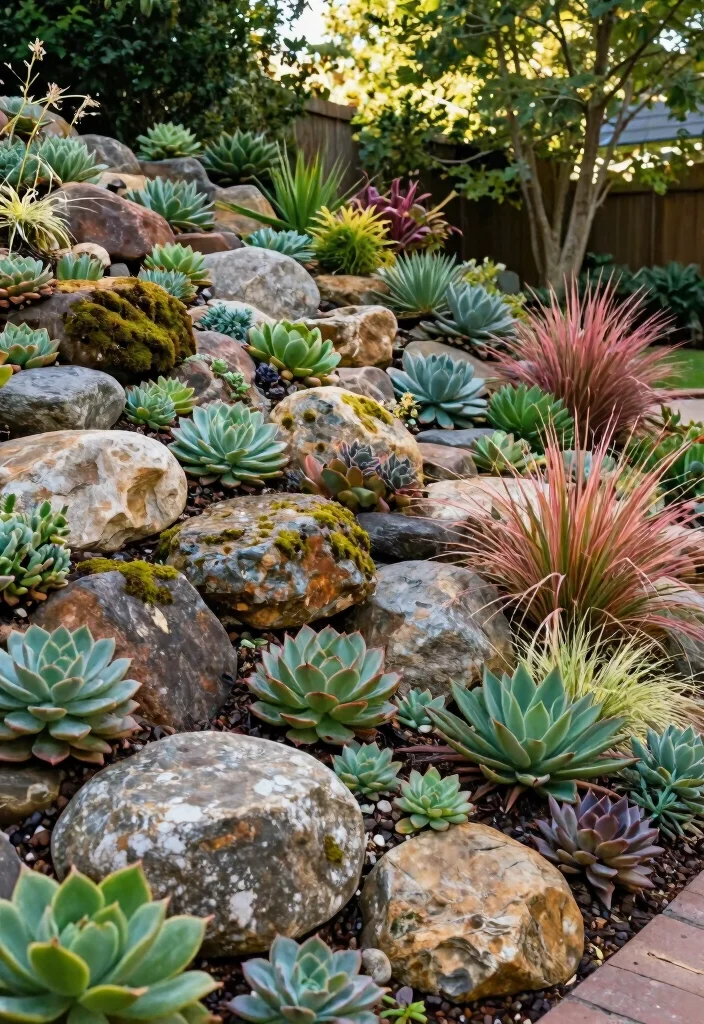
Rock gardens bring a touch of rugged beauty to your sloping backyard while requiring minimal upkeep. By strategically placing stones alongside hardy plants, you create a stunning landscape that naturally fits into the environment. The rocks not only enhance aesthetics but also help control erosion.
Begin by selecting a variety of rocks in different shapes and sizes to create visual interest. Arranging them to mimic natural formations and planting drought-resistant plants like succulents will enhance the beauty of your space while being low maintenance.
Consider these design tips for your rock garden:
– Mix textures by combining smooth stones with rough boulders
– Use mulch or gravel to suppress weeds
– Choose plants that thrive in your climate for best results
A rock garden not only beautifies your yard but also fosters a sustainable environment that encourages wildlife.
Rock gardens turn hills into highlights: did you know a well-placed rock bed on a slope can reduce soil erosion by up to 60%? Pair drought-tolerant plants like succulents for year-round texture and minimal upkeep. Sloping backyard ideas just got smarter and more manageable.
4. Water Features
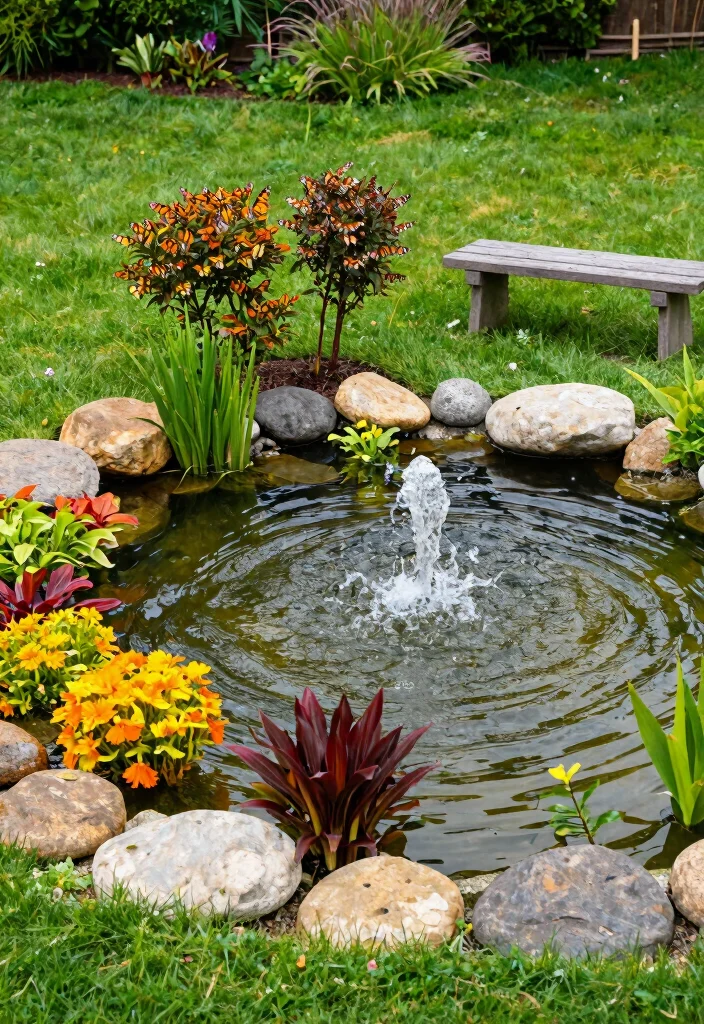
Incorporating a water feature like a pond, fountain, or waterfall adds a soothing element to your sloping backyard. The gentle sound of flowing water creates a tranquil ambiance and attracts wildlife, enhancing the beauty of your outdoor space.
Position your water feature where it can be easily viewed from your home or patio for maximum enjoyment. Adding aquatic plants like water lilies to a pond can create stunning visual interest, while a fountain can serve as a charming centerpiece.
Explore these options for your water feature:
– Install a bubbling fountain for auditory pleasure
– Create a pond with native aquatic plants
– Design a waterfall that cascades over natural rocks
Water features not only beautify your space but also provide a habitat for local wildlife, promoting a lively ecosystem in your backyard.
Water Features
Editor’s Choice




Key Trade-offs & Our Top Pick
Option 1: Terraced Gardens
– Pros:
✔ Create flat areas for planting on slopes.
✔ Improve drainage and reduce soil erosion.
– Cons:
❌ Can be costly to install with retaining walls.
❌ Requires regular maintenance to keep plants healthy.
– Best for: Homeowners wanting to maximize planting space on steep slopes.
Option 2: Multi-Level Decks
– Pros:
✔ Provide stunning views of your backyard.
✔ Create defined outdoor living spaces.
– Cons:
❌ Can be expensive to build and require professional installation.
❌ May need permits depending on local regulations.
– Best for: Those looking to create entertaining areas with spectacular views.
Option 3: Cozy Fire Pits
– Pros:
✔ Excellent for gatherings and warmth on cool evenings.
✔ Can be easily integrated into various backyard designs.
– Cons:
❌ Requires proper safety measures and maintenance.
❌ May not be usable year-round in colder climates.
– Best for: Families who enjoy outdoor entertaining and relaxation.
Option 4: Vertical Gardens
– Pros:
✔ Save space while adding greenery.
✔ Can enhance air quality and aesthetics.
– Cons:
❌ Initial setup can be labor-intensive.
❌ Some plants may require specific care or conditions.
– Best for: Urban dwellers with limited horizontal space who love gardening.
Option 5: Outdoor Kitchen
– Pros:
✔ Boosts home value and outdoor living experience.
✔ Perfect for hosting summer barbecues and parties.
– Cons:
❌ High installation costs and professional help often needed.
❌ Requires utilities like water and electricity, which can complicate installation.
– Best for: Homeowners who love to cook and entertain outdoors.
Best Overall: Terraced Gardens
Terraced gardens stand out as the top choice for most homeowners with sloping backyards. They offer a practical solution for planting while improving drainage and reducing erosion. With proper planning, they can be both beautiful and functional. Their versatility allows you to cultivate various plants, making them a valuable investment.
Why We Picked This: While terraced gardens are excellent for growing plants, others may prefer options like cozy fire pits for warmth and entertainment. Multi-level decks may attract those wanting stunning views. Each choice has its benefits, depending on your specific needs and budget.
5. Vertical Gardens
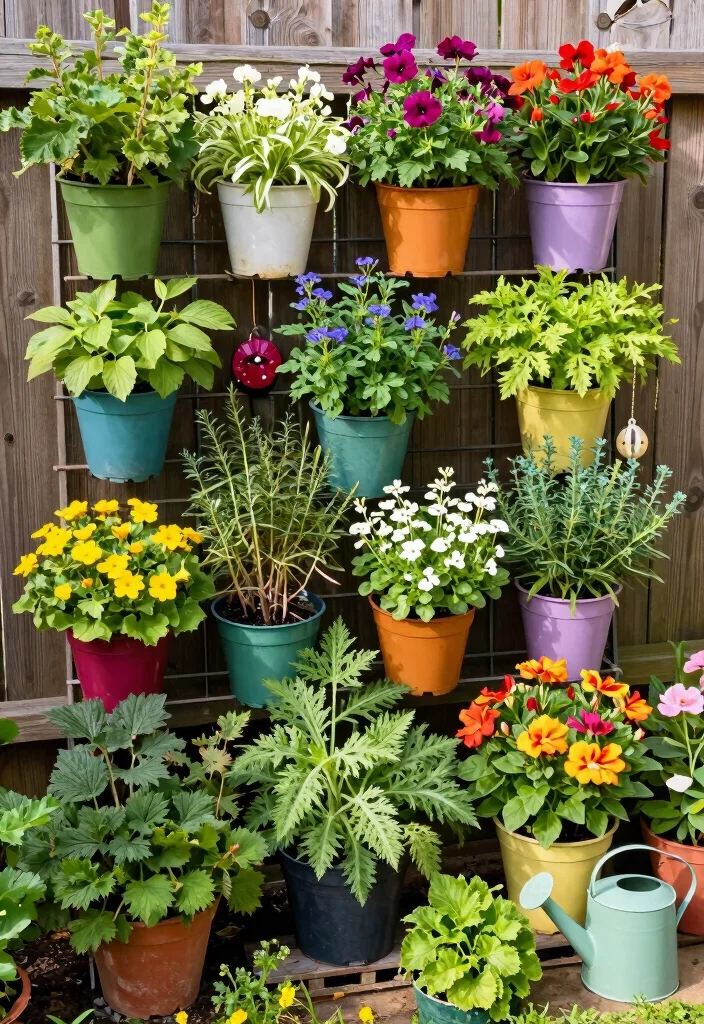
When space is tight on a slope, vertical gardens offer a perfect solution! By growing plants upward, you can maximize your gardening area while introducing eye-catching elements to your yard. Vertical gardens can range from simple trellises adorned with climbing plants to elaborate wall-mounted planters filled with colorful blooms.
Start with a sturdy wall or fence as your base for attaching planters or trellises. Consider using pocket planters or wall-mounted containers for herbs, flowers, or even vegetables. Mixing different varieties creates a vibrant display, while a drip irrigation system simplifies watering.
Incorporate these ideas to enhance your vertical garden:
– Use native plants for easier maintenance
– Choose plants with similar watering needs
– Add decorative elements like garden art for flair
Vertical gardens can elevate your sloping backyard, creating a stunning backdrop for gatherings and outdoor enjoyment.
6. Outdoor Kitchen
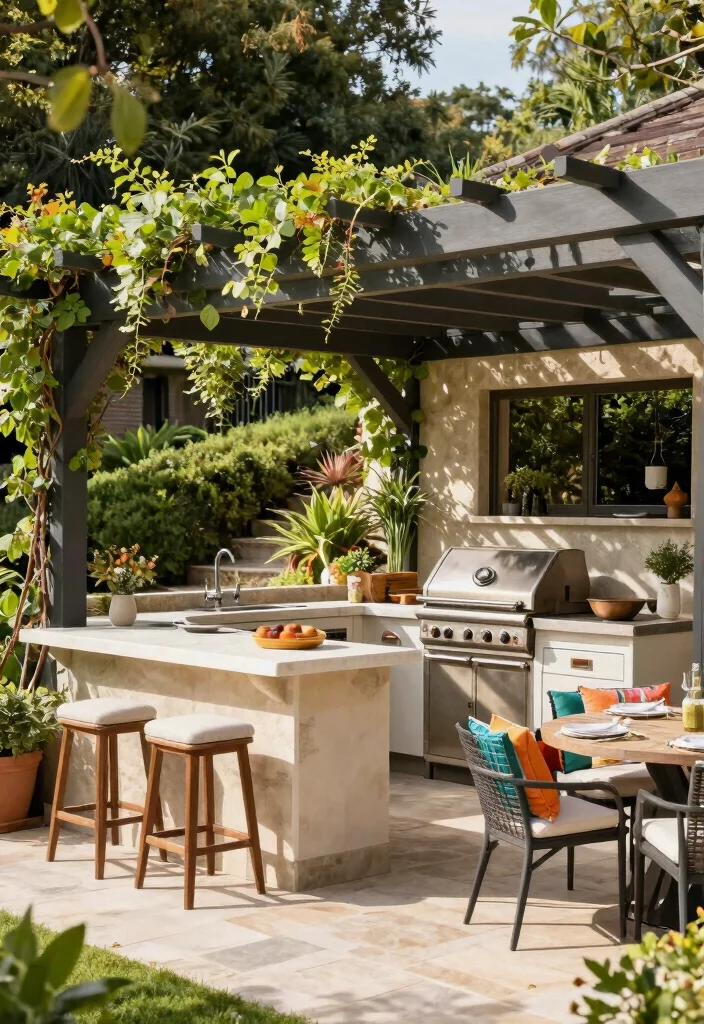
Elevate your outdoor living by adding an outdoor kitchen to your sloping backyard. This inviting space is perfect for entertaining guests or enjoying family meals al fresco, transforming your yard into a culinary paradise.
Design the kitchen layout to accommodate the slope by creating multiple levels for both cooking and dining areas. Materials like stainless steel and stone withstand outdoor conditions, while a built-in grill and ample countertop space enhance functionality.
Consider these tips for your outdoor kitchen design:
– Include shade structures like pergolas for comfort
– Arrange seating to maximize the view
– Keep pathways clear for easy access to the kitchen
An outdoor kitchen transforms everyday meals into extraordinary experiences while offering a beautiful gathering spot for friends and family.
Outdoor Kitchen
Editor’s Choice


7. Natural Pathways
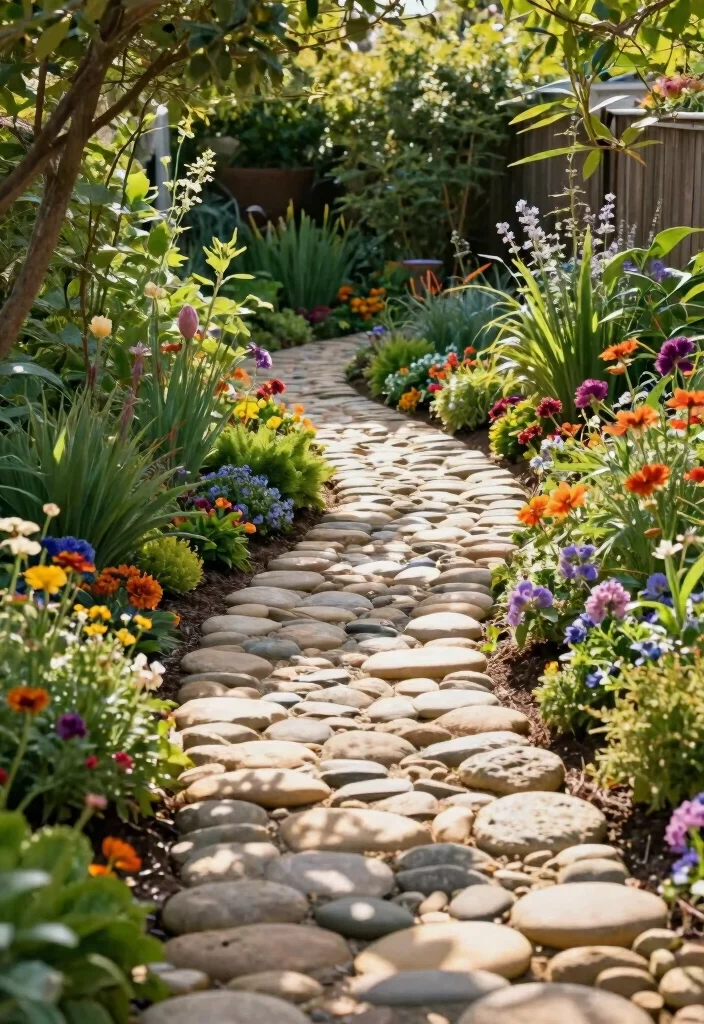
Creating natural pathways through your sloping backyard enhances both functionality and visual appeal. These pathways help you navigate the terrain while providing structure to your landscape design. You can use a variety of materials like stone, gravel, or mulch that fit any budget.
When designing your pathways, embrace the natural curves of the slope for a seamless flow. Use local materials that blend with your surroundings and plant greenery along the edges for a softer look, directing guests through your yard.
Implement these design tips for your pathways:
– Use wider pathways in high-traffic areas
– Incorporate stepping stones for added interest
– Keep pathways clear of debris for safety
Natural pathways connect different areas of your landscape, adding charm and character while enhancing the overall experience in your backyard.
8. Multi-Level Decks
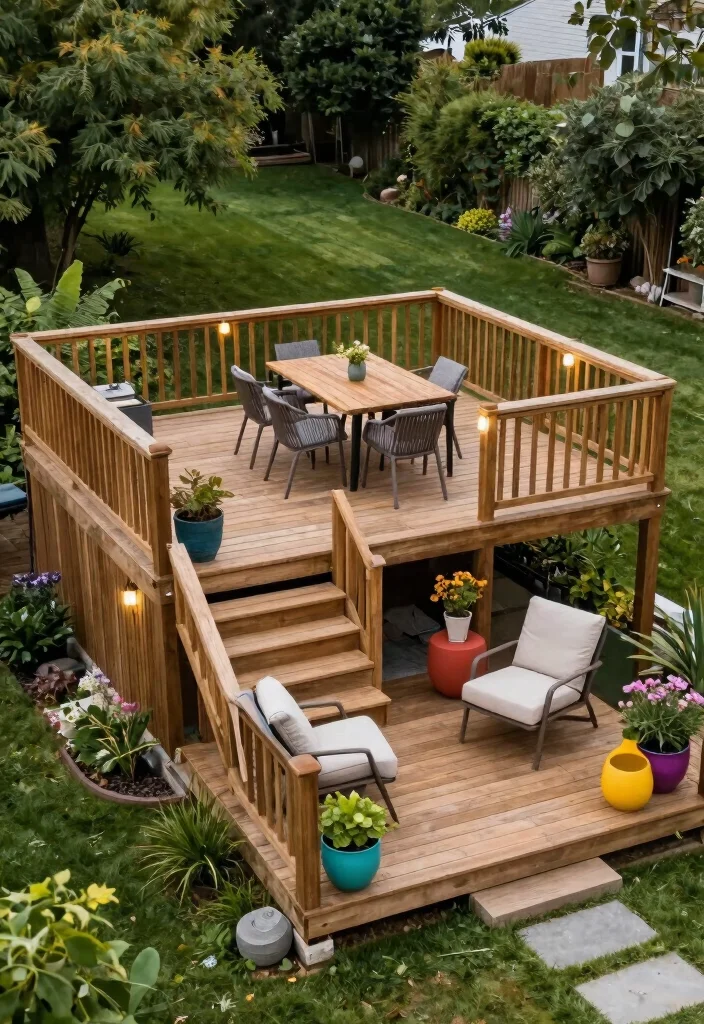
Multi-level decks can introduce dimension and functionality to your sloping backyard. These structures provide designated spaces for lounging, dining, or gardening, effectively expanding your living area while showcasing stunning views.
Design each deck level to cater to specific activities; for example, the upper level can serve as a dining area while the lower level becomes a cozy lounge or garden space. Choose durable, weather-resistant materials to ensure longevity and prioritize sturdy railings for safety.
Consider these tips for your deck design:
– Integrate built-in seating or planters for added charm
– Use lighting to create ambiance in the evening
– Ensure steps flow naturally with the slope for easy movement
Multi-level decks offer a stylish way to enjoy your sloping yard, promoting socializing and relaxation.
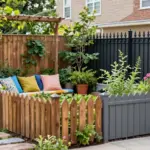
9. Raised Garden Beds
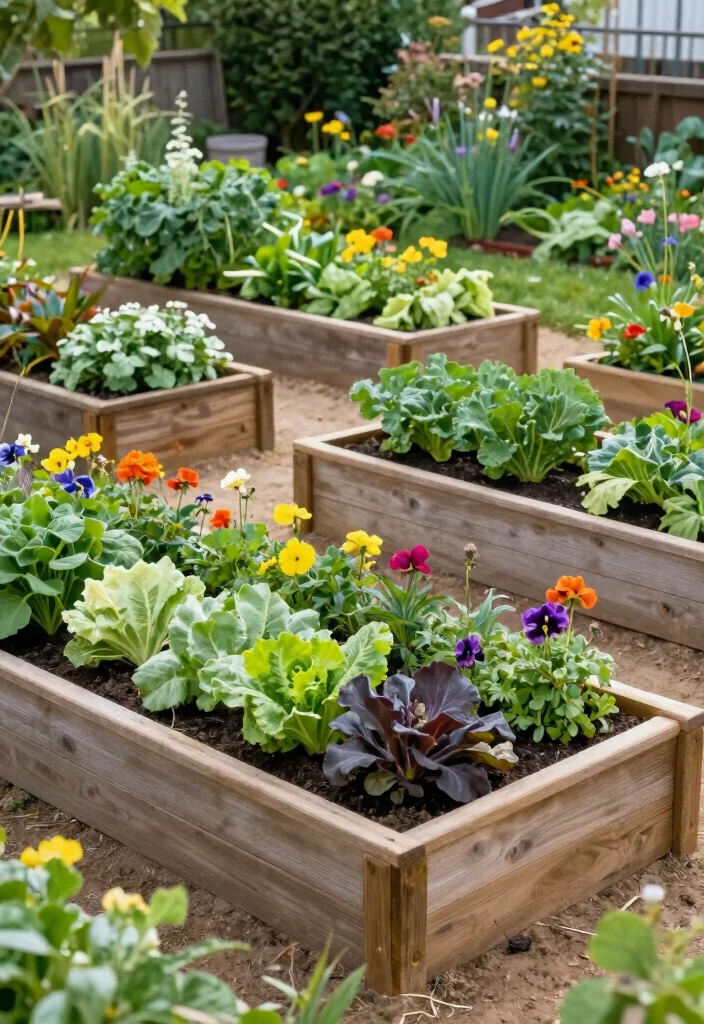
Raised garden beds are an ideal solution for sloping backyards, allowing for easier access to plants and effective soil erosion control. They create an organized look while enhancing soil quality, making them perfect for growing a variety of vegetables and flowers.
Position your raised beds along the slope, taking advantage of the natural grade to maximize sunlight and water runoff. Consider using materials like wood, stone, or recycled components to build these beds, filling them with nutrient-rich soil for optimal plant growth.
Keep these tips in mind for your raised beds:
– Determine the right height for easy access
– Incorporate companion plants for improved growth
– Use mulch to retain moisture and suppress weeds
Raised garden beds not only enhance gardening conditions but also create an attractive layout that enriches the overall beauty of your sloping yard.
10. Outdoor Lighting
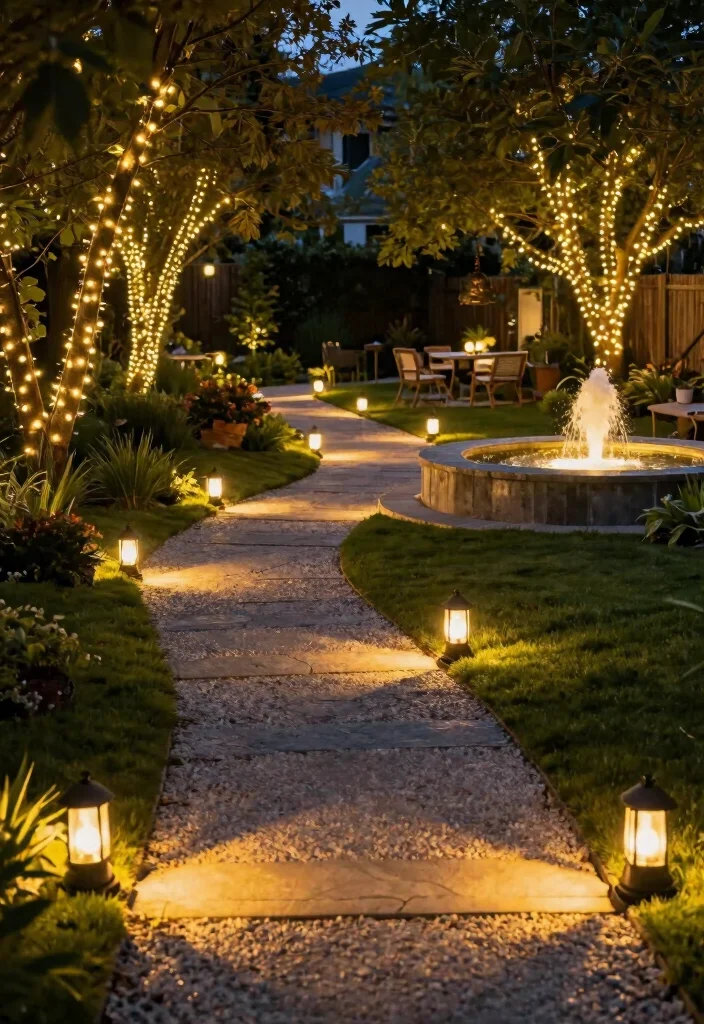
Outdoor lighting is crucial for maximizing your sloping backyard’s potential, especially during the evenings. Carefully placed lights can illuminate features, enhance safety, and create a magical atmosphere for gatherings.
When selecting lighting, identify the areas you wish to highlight. Maintain a cohesive look by using similar styles or colors throughout your yard, and consider solar-powered lights for energy efficiency.
Explore these options for effective outdoor lighting:
– Install pathway lights to brighten walkways
– Use spotlights to highlight special features
– Hang string lights for a cozy ambiance
Good lighting transforms a sloping backyard, making it more inviting and enjoyable after sunset.
Outdoor Lighting
Editor’s Choice


11. Garden Arbors
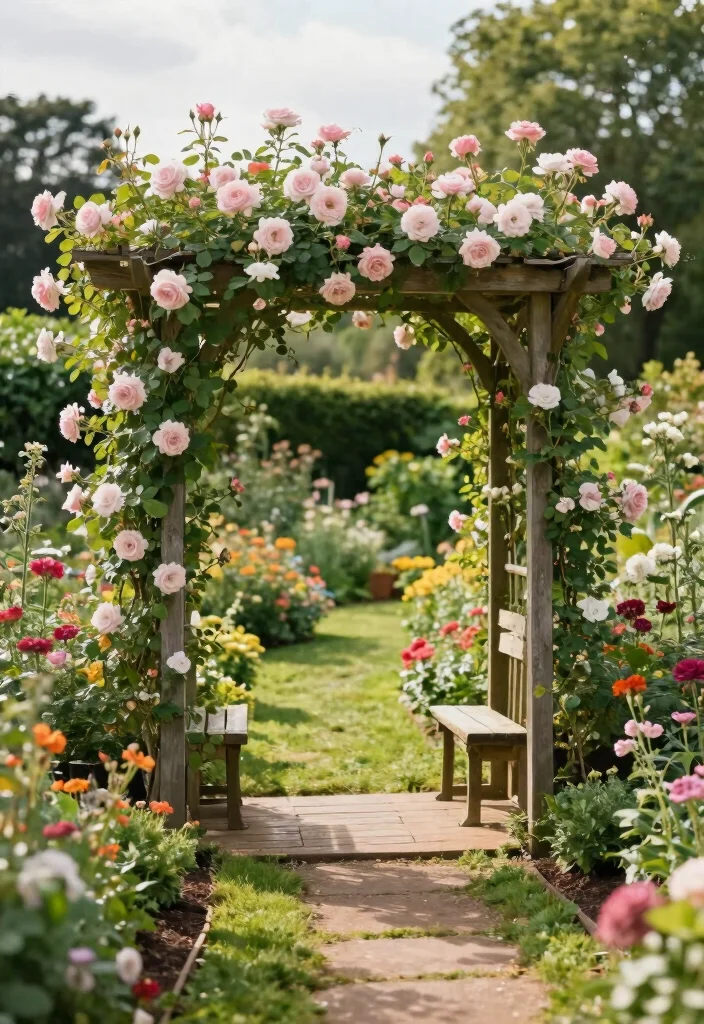
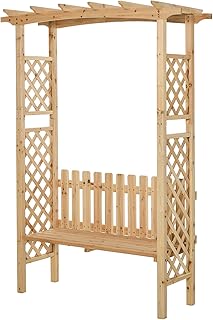
Garden arbors add height and interest to your sloping backyard, creating enchanting entryways or focal points that draw the eye. Enhanced with climbing plants or vines, they can become lush retreats that elevate your yard’s overall aesthetic.
Position arbors strategically to accentuate pathways or mark entry points to different sections of your garden. Choose materials that harmonize with your overall design; wooden arbors suit traditional themes, while metal ones lend a modern touch.
Incorporate these ideas to enhance your garden arbor:
– Train climbing plants to grow naturally on the structure
– Place seating nearby for relaxation and enjoyment
– Add lighting for an enchanting evening ambiance
Garden arbors can transform your sloping backyard into a whimsical escape, inviting exploration and delight.
Garden Arbors
Editor’s Choice


12. Play Areas for Kids
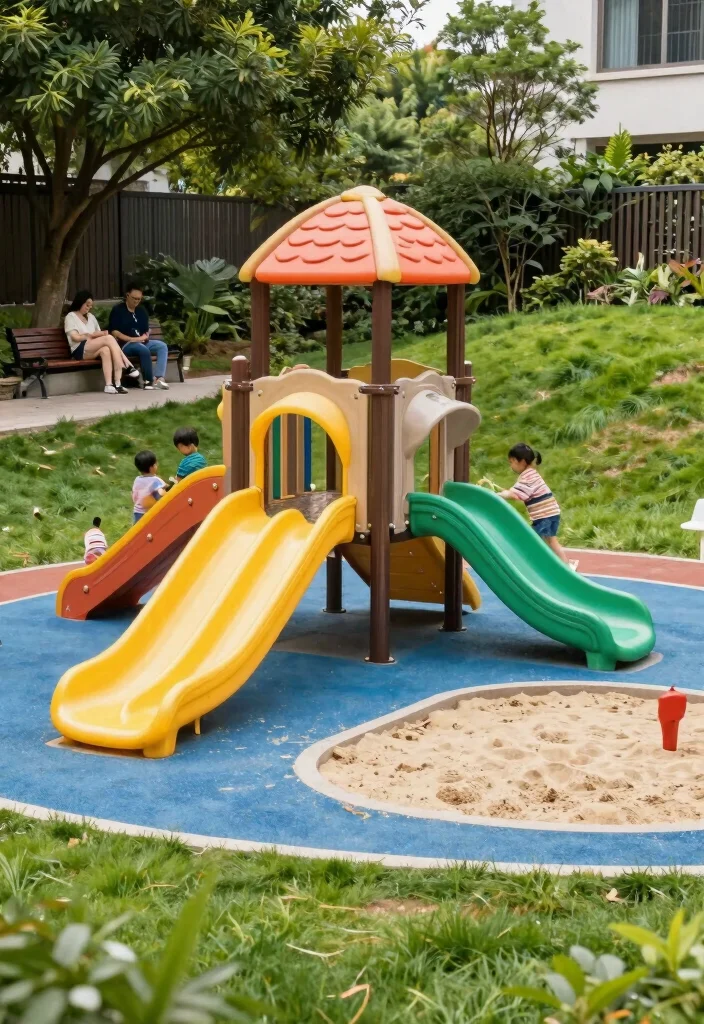
Designing a play area for kids in your sloping backyard can be a fun and rewarding project. Safely incorporating play equipment can turn a simple slope into an exciting adventure zone that your little ones will love.
Prioritize safety by ensuring that play equipment is secure and suitable for the ages of your children. Using natural materials that blend with the landscape enhances the overall look while encouraging physical activity.
Consider these tips for creating engaging play areas:
– Include shaded spots for sunny days
– Choose colorful, durable play structures
– Add seating nearby for parents to relax and supervise
A dedicated play area can transform your sloping backyard into a family-friendly haven, fostering creativity and joy among children.
13. Edible Landscaping
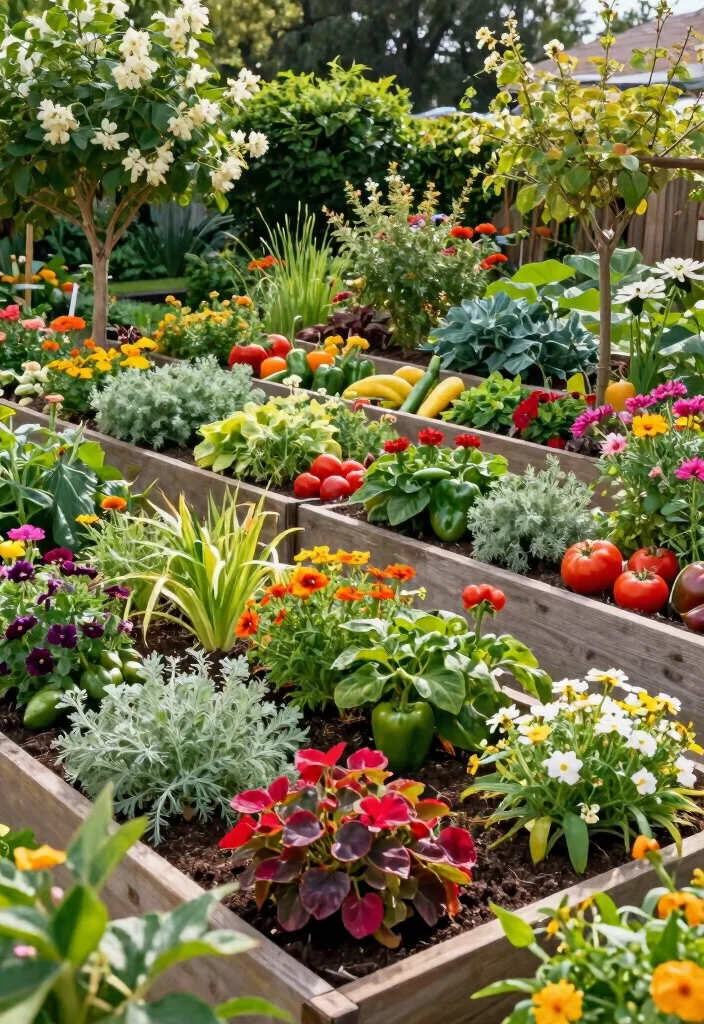
Edible landscaping combines beauty with functionality, allowing you to grow a variety of fruits, vegetables, or herbs alongside ornamental plants. This approach not only enhances your sloping backyard but also provides fresh produce right at your fingertips.
Integrate edible plants into your flower beds or create designated areas for them. Position taller plants at the back to ensure sunlight reaches all, planting in tiers along the slope for easy access during harvest.
Utilize these strategies for successful edible landscaping:
– Employ companion planting techniques for better productivity
– Incorporate native plants for easier maintenance
– Plan for seasonal harvests to maximize yield throughout the year
Edible landscaping transforms your yard into a beautiful and productive space, allowing you to enjoy nature’s bounty year-round.
14. Zen Gardens
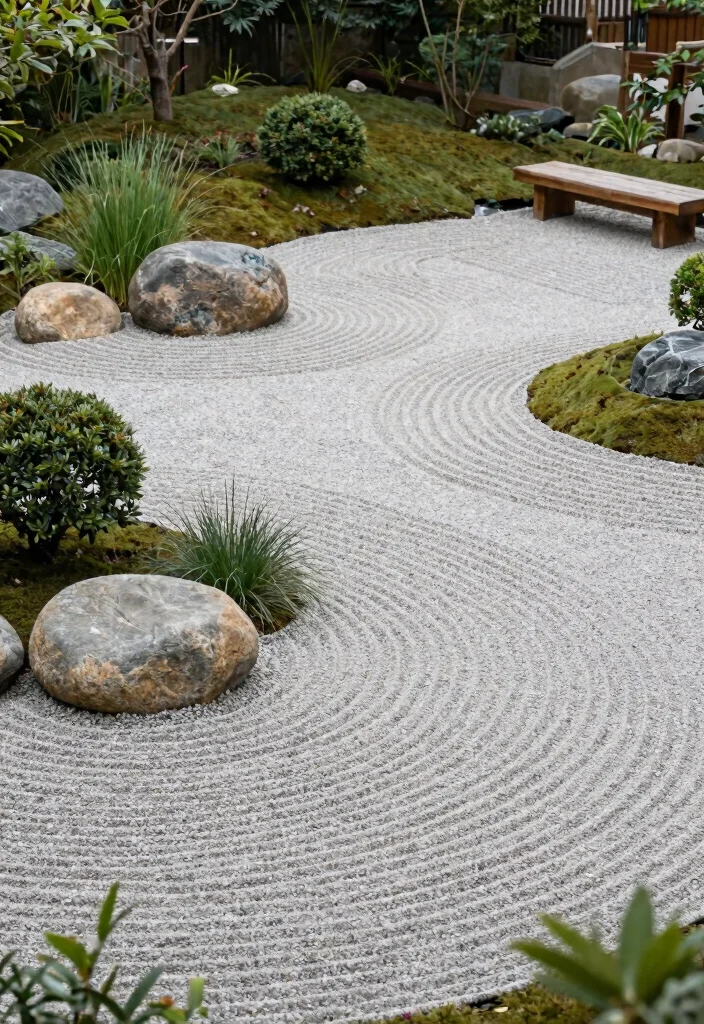
For a peaceful retreat, consider adding a Zen garden to your sloping backyard. These gardens focus on tranquility and meditation, making them perfect for relaxation and contemplation.
Key elements of a Zen garden include raked gravel or sand to create soothing patterns, along with strategically placed rocks and minimalistic plant choices for a clean, serene look.
Position your Zen garden in a location that is easily accessible and enjoyable. The slope can enhance the design, allowing for natural drainage while incorporating benches or cushions for comfortable seating.
Keep these tips in mind when creating your Zen garden:
– Use local stones to harmonize with nature
– Opt for low-maintenance plants to simplify care
– Choose calming colors and textures to promote relaxation
A Zen garden not only beautifies your sloping yard but also provides a tranquil escape for mindfulness and meditation.
Fun fact: sloping backyard ideas like a Zen garden can take just 2 hours to set up and instantly boost calm. Raked gravel patterns and simple rocks create a peaceful retreat that invites daily mindfulness with minimal upkeep.
Zen Gardens
Editor’s Choice



15. Shade Structures
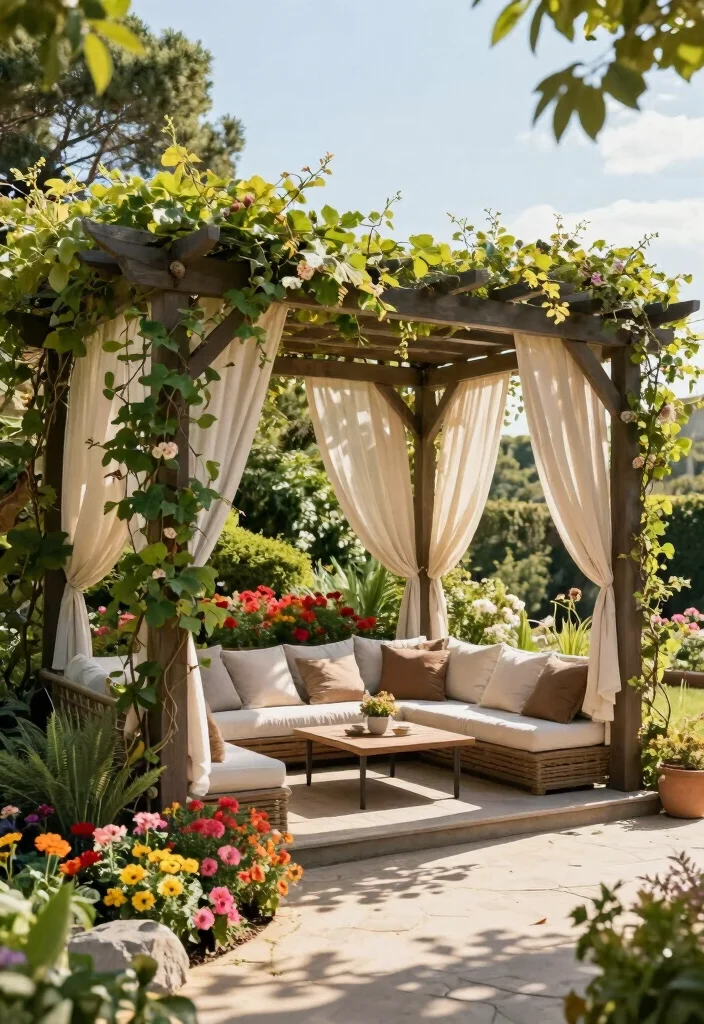
Incorporating shade structures like pergolas, awnings, or umbrellas can elevate your sloping backyard by creating cool spots to relax during hot summer days. These structures provide shelter while adding architectural interest to your outdoor space.
Select a location that receives ample sunlight throughout the day. A freestanding pergola can establish a beautiful gathering space, while retractable awnings offer flexibility based on weather conditions.
Consider these tips for installing shade structures:
– Match materials with your home’s style for cohesion
– Add climbing plants for natural shade and beauty
– Ensure adequate clearance for safety and comfort
Shade structures can transform your sloping backyard into a comfortable retreat, encouraging outdoor enjoyment all year long.
Fun fact: In sloping backyard ideas, shade structures can cut peak sun exposure by up to 60%, creating cool, usable space by mid-afternoon. A freestanding pergola or retractable awning turns steep grades into welcoming gathering spots you’ll actually use.
16. Themed Areas
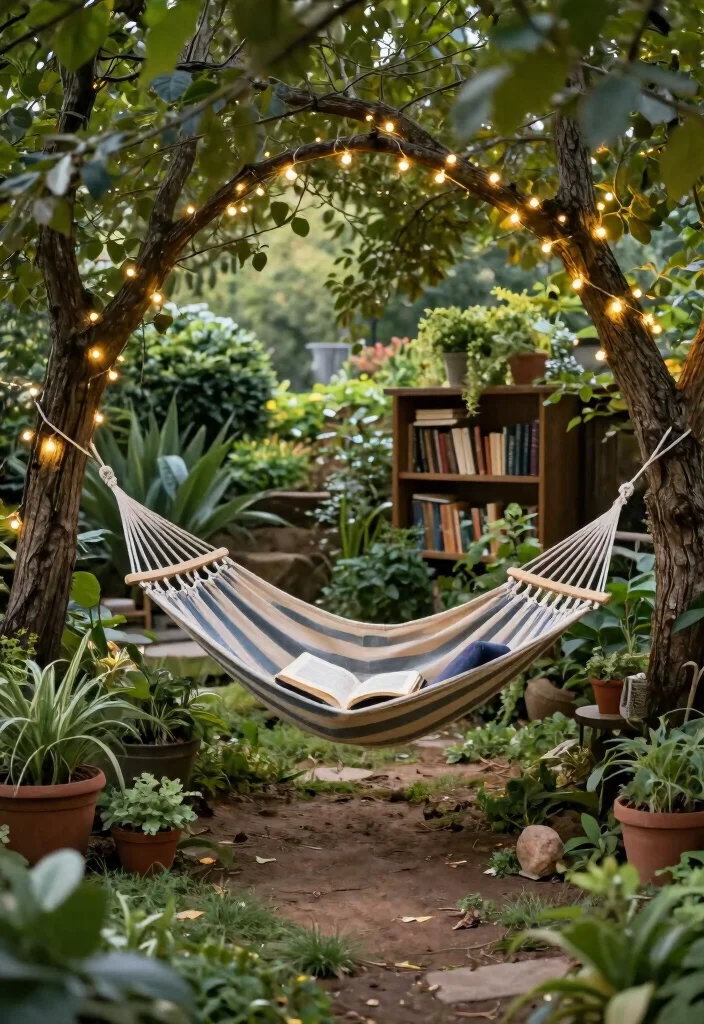
Creating themed areas within your sloping backyard adds personality and creates unique spaces for various activities. Whether it’s a cozy reading nook, a BBQ zone, or a meditation area, these themed sections tailor your backyard experience to your lifestyle.
Select a theme that resonates with you, using materials, colors, and decorations that complement your vision. For a reading nook, comfortable seating and shade are essential; for a BBQ zone, ensure there’s room for equipment and dining space.
Implement these suggestions for effective themed areas:
– Ensure themes flow together for a cohesive look
– Use lighting to highlight each distinct area
– Integrate elements that reflect your personal style
Themed areas can create enchanting little corners in your sloping backyard, making it a memorable escape for all who visit.
Conclusion
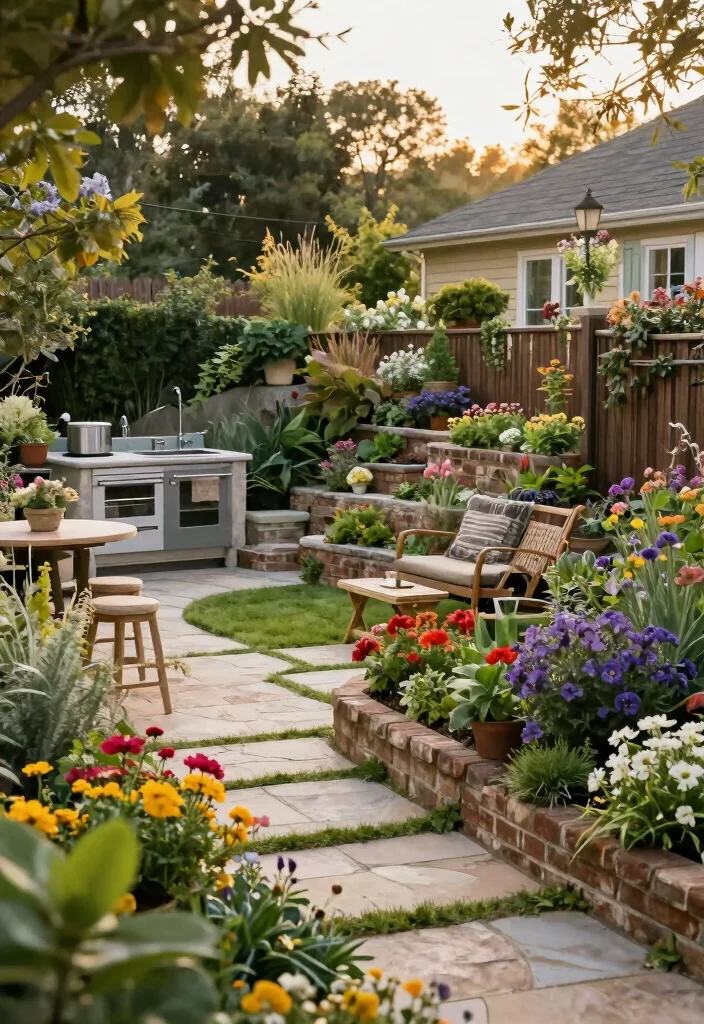
Transforming a sloping backyard into an enchanting outdoor space is a rewarding adventure that involves creativity and vision. By integrating elements like terraces, gardens, and cozy spots, you can create a personal oasis that celebrates nature’s beauty. Which of these sloping backyard ideas speaks to you? Embrace your hillside and let it inspire your next landscaping project!
Remember, your backyard is a reflection of your style and needs—let it shine!
Note: We aim to provide accurate product links, but some may occasionally expire or become unavailable. If this happens, please search directly on Amazon for the product or a suitable alternative.
This post contains Amazon affiliate links, meaning we may earn a small commission if you purchase through our links, at no extra cost to you.
Frequently Asked Questions
Question: What are the most effective sloping backyard ideas to turn a hill into a highlight?
Here’s a practical starter plan for turning a slope into a stylish, functional space. First, map the slope, test drainage, and mark sunny spots. Then implement level terraces or raised beds with retaining walls and stepping stones to create usable zones. Pair each terrace with a function—one area for backyard landscaping, another for outdoor living spaces like a seating deck. Plant groundcovers and native perennials to control erosion and reduce maintenance. Add a gentle, non-slip path to connect zones and ensure proper drainage with grading or a French drain. Use a cohesive material palette—stone, timber, and metal—to support your garden design vibe. For steep slopes, consider getting a pro input on grading and safety.
Question: How can I design hillside gardening that is both beautiful and low-maintenance?
Designing hillside gardening that is beautiful and low-maintenance starts with smart plant choices and simple layouts. Choose hillside gardening friendly groundcovers, ornamental grasses, and natives that spread naturally and require less care. Build layered terraces with durable materials and install a simple irrigation plan—drip lines beneath mulch—to keep watering efficient. Use solid garden design principles to create focal points on each level, like a seating area or a tiny water feature. Apply generous mulch to reduce weeds and conserve moisture, and add edging to stabilize soil. For larger slopes, consider professional help to ensure stability and long-term resilience.
Question: What materials and methods work best for terraces and retaining walls in a sloping backyard?
Materials and methods for terraces and retaining walls in a sloping backyard should balance durability, style, and drainage. Opt for durable options like concrete block systems, natural stone, or pressure-treated timber that fit your home’s garden design and backyard landscaping vibe. Ensure each wall has proper drainage—gravel layers, geotextile fabric, and perforated drainage pipes—to prevent bulging. Build step-like terraces with wide landings to improve accessibility and create distinct zones for backyard landscaping and garden design. Keep color and texture cohesive across terraces to reinforce the overall look of your outdoor space.
Question: How can I balance safety and aesthetics when creating outdoor living spaces on a slope?
Safety and aesthetics can go hand in hand with thoughtful planning. Use non-slip surfaces on patios and stairs, sturdy railings for elevated sections, and wide, gently sloping paths that are easy to navigate. Choose furniture with stability to prevent tipping on uneven ground, and keep lighting on edges and steps to guide guests at night. Select outdoor living spaces elements that stay low-maintenance on slopes, and place the main seating area on flatter grade for comfort. Finally, align a clear drainage plan to prevent puddling near doors or walkways.
Question: What is a practical budget plan for sloping backyard ideas to transform hills into highlights?
Start with a phased budget that prioritizes drainage and access first. Phase 1 addresses drainage and creates stable access paths. Phase 2 installs terraces or retaining walls using durable materials that fit your style. Phase 3 adds planting and lighting for ambience with a focus on low-maintenance, drought-tolerant varieties. Get quotes from contractors for major work, but tackle minor tasks yourself to save costs. Use cost-conscious materials where possible, such as reclaimed stone or modular blocks, and plan a planting palette that reduces ongoing upkeep. Always factor permits and professional consultation if slopes are steep or near structures.
Related Topics
sloping backyard ideas
backyard landscaping
hillside gardening
outdoor living spaces
creative outdoor solutions
garden design
landscaping trends
easy gardening tips
elevated gardens
slope-friendly plants
landscape design
beginner landscaping